Multicultural Banquet Hosting Examples That Work
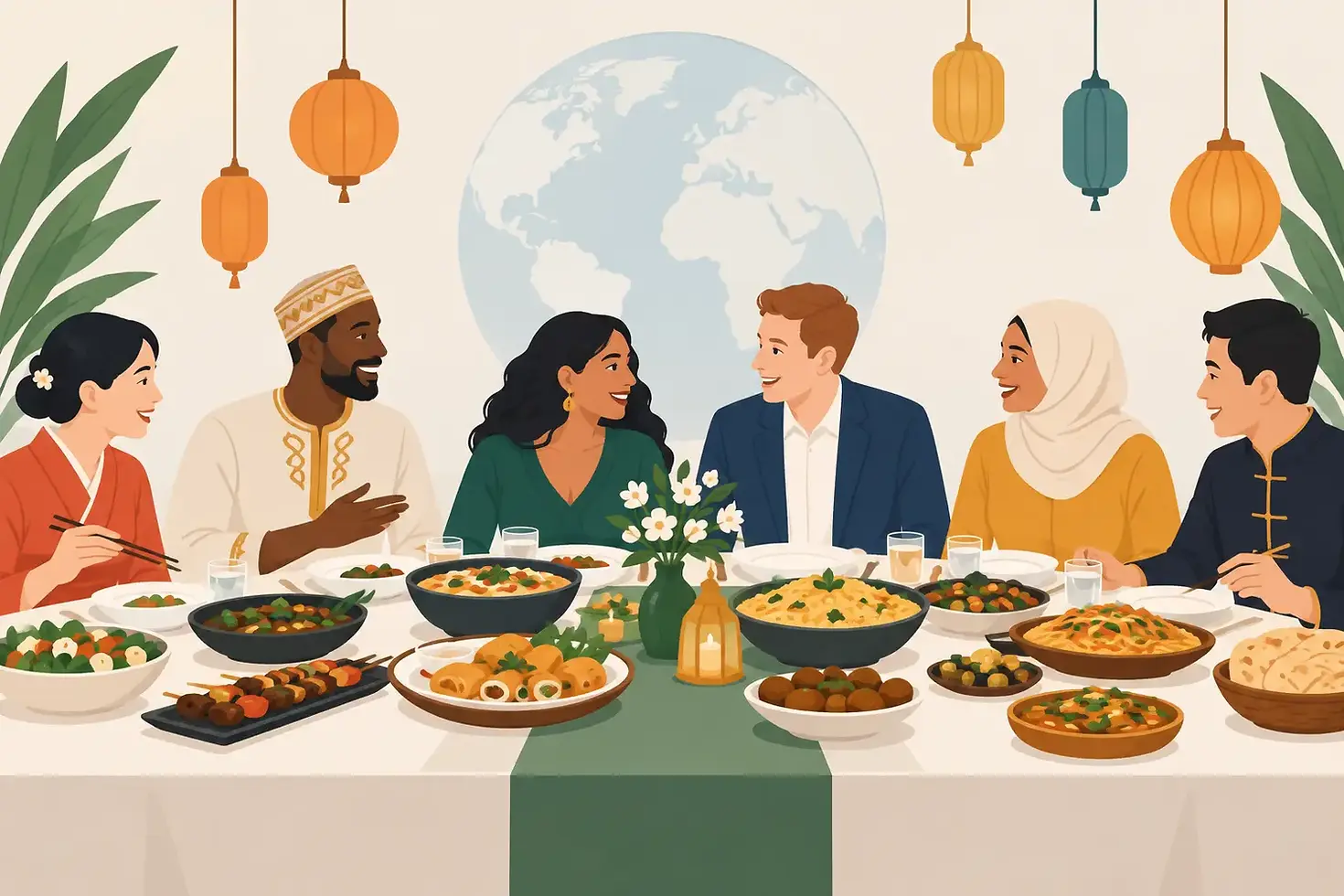
A multicultural wedding banquet can move from a Chinese tea ceremony to a Western-style first dance, then into Malay, Indian, Mandarin, and English celebrations in one evening. That variety is exactly what makes Singapore weddings memorable, but it also raises the stakes for the emcee. The best multicultural banquet hosting examples do not try to squeeze every tradition into a standard script. They give each family a genuine moment, keep guests informed, and maintain a confident pace from the first welcome to the final toast.
For couples, the goal is simple: no guest should feel confused, overlooked, or stuck waiting through a transition they cannot follow. A skilled emcee, live band, and professional sound team turn a full program into one connected celebration.
What Great Multicultural Banquet Hosting Looks Like
Multicultural hosting is not just about saying a few greetings in different languages. It is about understanding the room. Grandparents may value formal acknowledgments and traditional songs. Friends may be ready for a high-energy entrance. Overseas guests may need brief context before a meaningful ritual begins.
The strongest emcee keeps language inclusive without making every announcement excessively long. For example, the host can welcome the room in English, Mandarin, Malay, or another relevant language, then deliver the key information in a clear common language. The message should be warm and precise: what is happening, who is being honored, and what guests should do next.
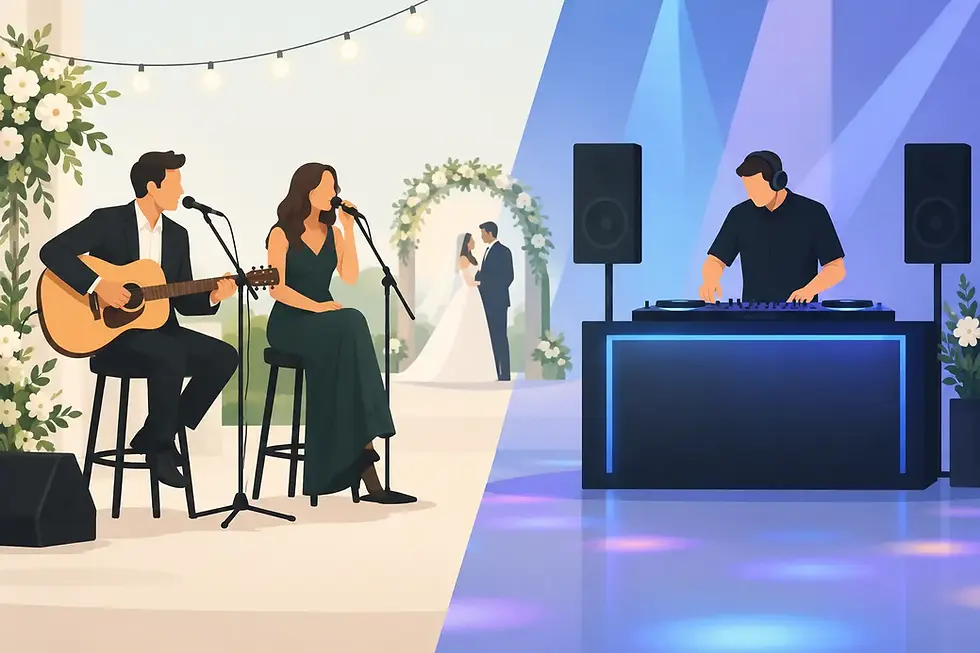
Music matters just as much. A live band can mark changes in mood far better than background playlists alone. A familiar Mandarin classic for the parents’ march-in, a romantic English ballad for the couple, and an upbeat bilingual set after dinner can make different generations feel intentionally included.
Multicultural Banquet Hosting Examples for Real Wedding Moments
1. A bilingual grand entrance that builds anticipation
A couple with English-speaking friends and Mandarin-speaking elders may want a formal but energetic entrance. The emcee begins with a short welcome in English, followed by a concise Mandarin greeting. The purpose is not to repeat every line word for word. It is to make both groups feel recognized before the room’s attention turns to the couple.
A practical script could sound like this:
“Good evening, ladies and gentlemen. Thank you for joining us to celebrate this beautiful union. 各位亲爱的家人和朋友,感谢大家今晚拨冗出席,共同见证这对新人的幸福时刻。 Please rise, turn your attention to the ballroom entrance, and welcome our newlyweds with your biggest applause!”
The band starts the couple’s chosen entrance song on cue, the lights shift, and the emcee does not talk over the key musical moment. This is a small detail, but it creates a more polished entrance. The host speaks, the music takes over, and the guests know exactly when to cheer.
2. Explaining a tradition without turning it into a lecture
Some wedding customs are deeply meaningful to family members but unfamiliar to part of the guest list. A tea ceremony, a garland exchange, or a blessing by elders can be introduced in one or two respectful sentences.
For instance: “Before dinner continues, the couple will take a moment to honor their parents through a traditional tea ceremony. This is a meaningful expression of gratitude, respect, and the joining of two families. We invite everyone to enjoy this special moment with them.”
That is enough. Guests understand why the moment matters, photographers have a clean cue, and the program keeps moving. The emcee should avoid making assumptions about a tradition or using casual jokes that could dilute its meaning. When a ritual is sacred or family-led, the best hosting is calm, brief, and respectful.
3. A shared family toast across languages
A multicultural banquet often includes families who are comfortable in different languages. A toast can bring everyone together when it is structured properly.
Rather than giving one long speech with several translations, invite key family representatives to speak in their preferred language and let the emcee frame each speech. The host can say, “We will now hear a few words from the families who have shaped this couple’s journey. Please join us in listening, celebrating, and raising a glass together at the end.”
After the speeches, the emcee delivers the common cue: “Wherever you have come from and whatever language you speak at home, tonight we celebrate one new family. Please raise your glasses to love, laughter, and a wonderful future for the newlyweds.”
A live band can play a soft instrumental bed under the transition, then lift into a celebratory flourish as glasses are raised. This prevents the room from losing energy during a formal segment.
4. A dinner program that respects different dining expectations
Banquet timing is one of the biggest operational challenges at a wedding. A multi-course Chinese dinner may require a different rhythm from a plated Western meal, buffet service, halal menu service, or vegetarian course arrangement. The emcee must work closely with the banquet manager before the event, not guess from the stage.
If dishes are arriving slowly, the host can use a short table game, invite a family photo moment, or introduce a singer for one well-chosen song. If dinner is moving quickly, speeches and activities can be brought forward. Flexibility is what separates a professional banquet host from someone simply reading a run sheet.
One effective format is to schedule a brief live music set after the second or third course, followed by a toast or couple game before the next major serving. Guests stay engaged, the kitchen gets breathing room, and the program does not feel like a string of interruptions.
5. A cross-generational music set that fills the dance floor
The final hour is where mixed audiences can either come together or split into separate groups. Start too young, and older relatives may leave early. Stay too traditional, and friends may lose momentum. The answer is a planned musical journey.
Begin with songs that invite parents and older guests to participate - classic Mandarin, Cantonese, Malay, Hindi, or evergreen English love songs, depending on the families. Then transition into recognizable singalongs and current party favorites. A confident emcee can call families and friends to the floor gradually instead of demanding that everyone dance at once.
For example: “We have celebrated the people who raised this couple. Now, let’s invite the bridal party and all their friends to bring the celebration to the dance floor!” The band then moves into a higher-energy set. This progression feels natural and gives every generation a place in the celebration.
How to Plan a Multicultural Banquet Program Without Stress
The best results start before the wedding day. Couples should tell their entertainment team which languages will be used, which customs need formal recognition, and which moments are non-negotiable for each family. Do not assume that “bilingual emcee” automatically means every dialect, ritual, or song request will be covered. Be specific early.
A useful planning discussion should cover the couple’s preferred hosting language, names and pronunciations, family titles, religious or cultural boundaries, song requests, dinner format, and whether speeches need translation support. It should also identify sensitive areas. Some families want a lively champagne toast and playful games; others prefer a more elegant, traditional program. Neither approach is better. It depends on the couple, the guest mix, and the families being honored.
It also pays to bundle hosting, live music, and sound under one experienced team. When the emcee, band, and PA crew are coordinating from the same run sheet, entrances land on time, microphones are ready for speeches, and music cues do not compete with banquet service. That coordination removes a major source of wedding-day stress.
The Wedding Serenata brings this one-stop approach to weddings and events with experienced emcees, versatile live musicians, and professional PA sound support. For a multicultural banquet, that means fewer vendor handoffs and a smoother experience for every guest in the room.
Details That Make Guests Feel Included
Small decisions often have the biggest impact. Pronounce names carefully. Confirm whether parents should be introduced by full names, titles, or family roles. Keep key instructions visible on screens if the venue provides them. Make sure elderly guests can hear speeches clearly without the volume becoming uncomfortable for everyone else.
Most importantly, avoid treating culture as a performance checklist. A meaningful multicultural wedding does not need to include every possible language, song, or custom. It needs to reflect the two families honestly. When the hosting is clear, the music is well timed, and the program gives each side room to be seen, the banquet feels like one celebration rather than several separate events sharing a ballroom.
Choose an entertainment team that asks the right questions before they take the stage. Then let your guests hear the welcome, feel the music, and recognize that this celebration was planned with every generation in mind.

Comments